
The United States vs Alfredo Martinez
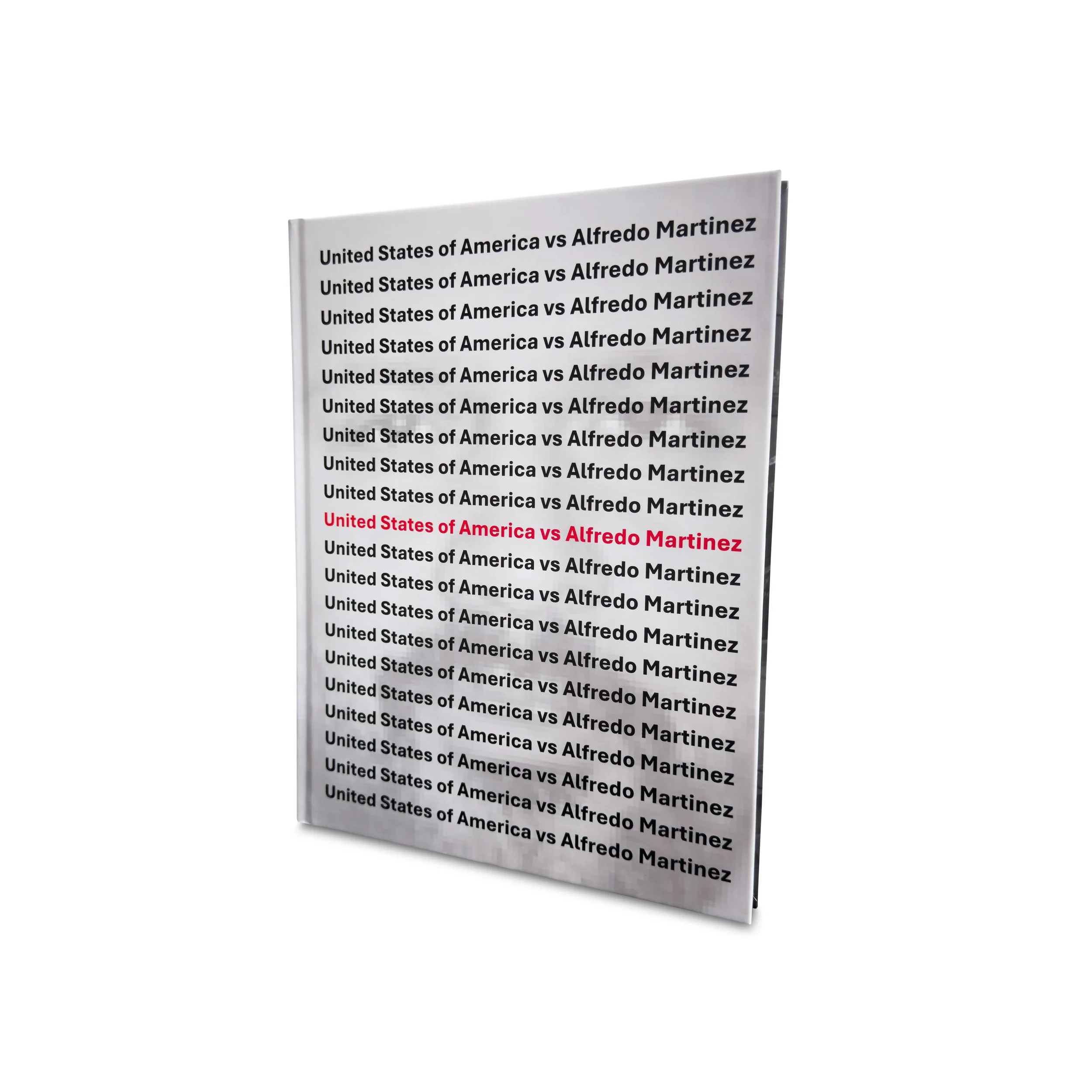
The United States vs Alfredo Martinez
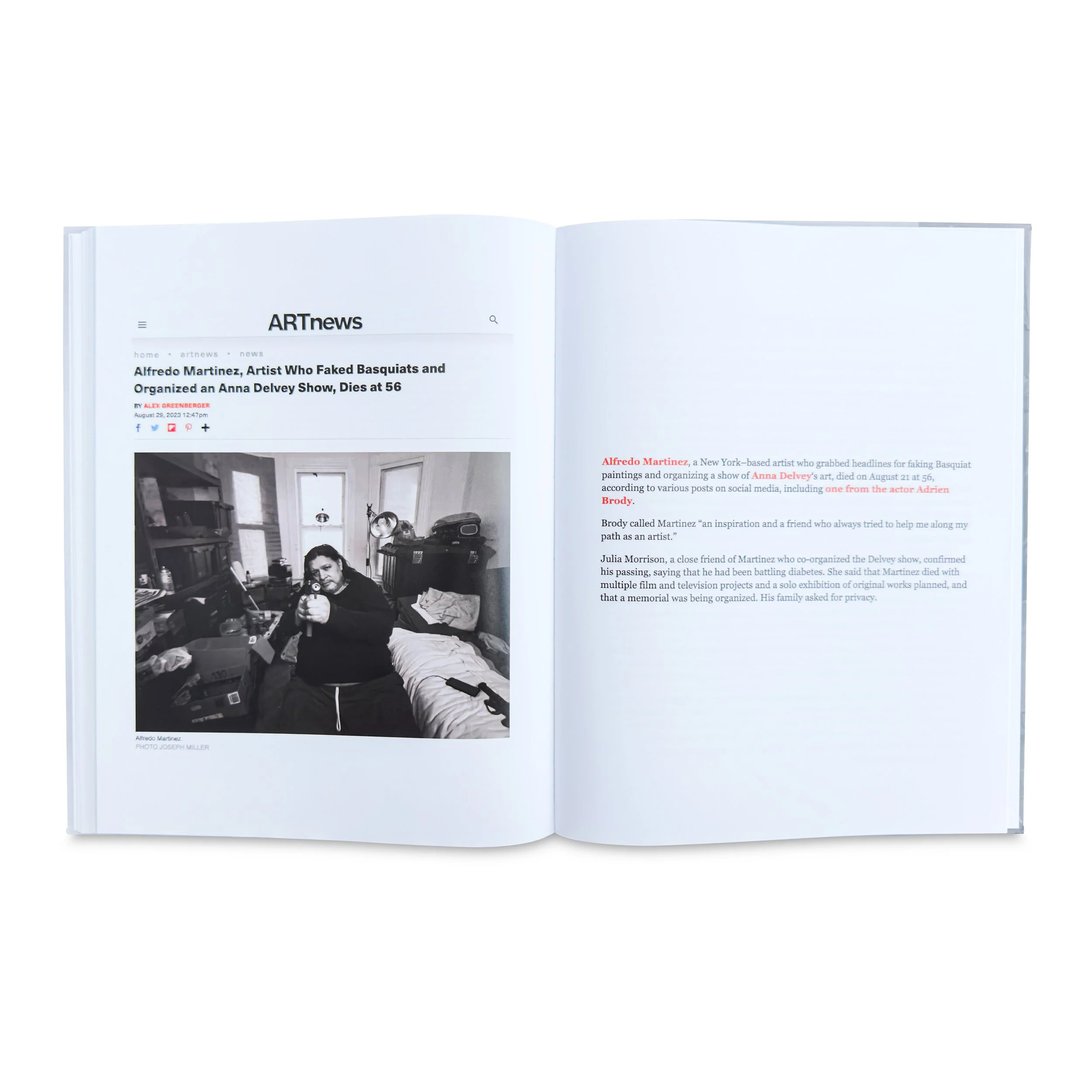
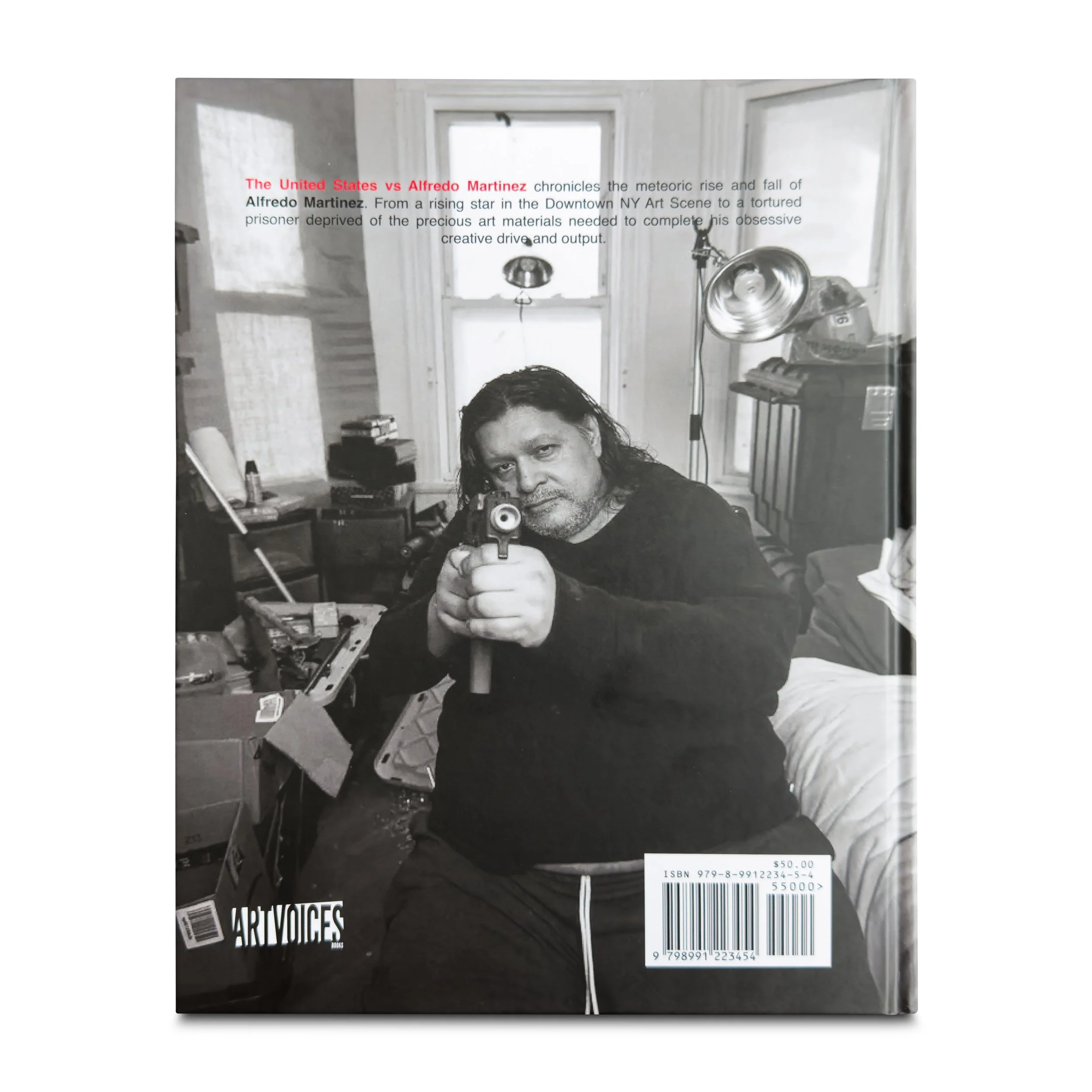
The United States vs Alfredo Martinez documents the life and work of New York City-based artist notorious for forging the works of artists like Jean-Michel Basquiat and Keith Haring.
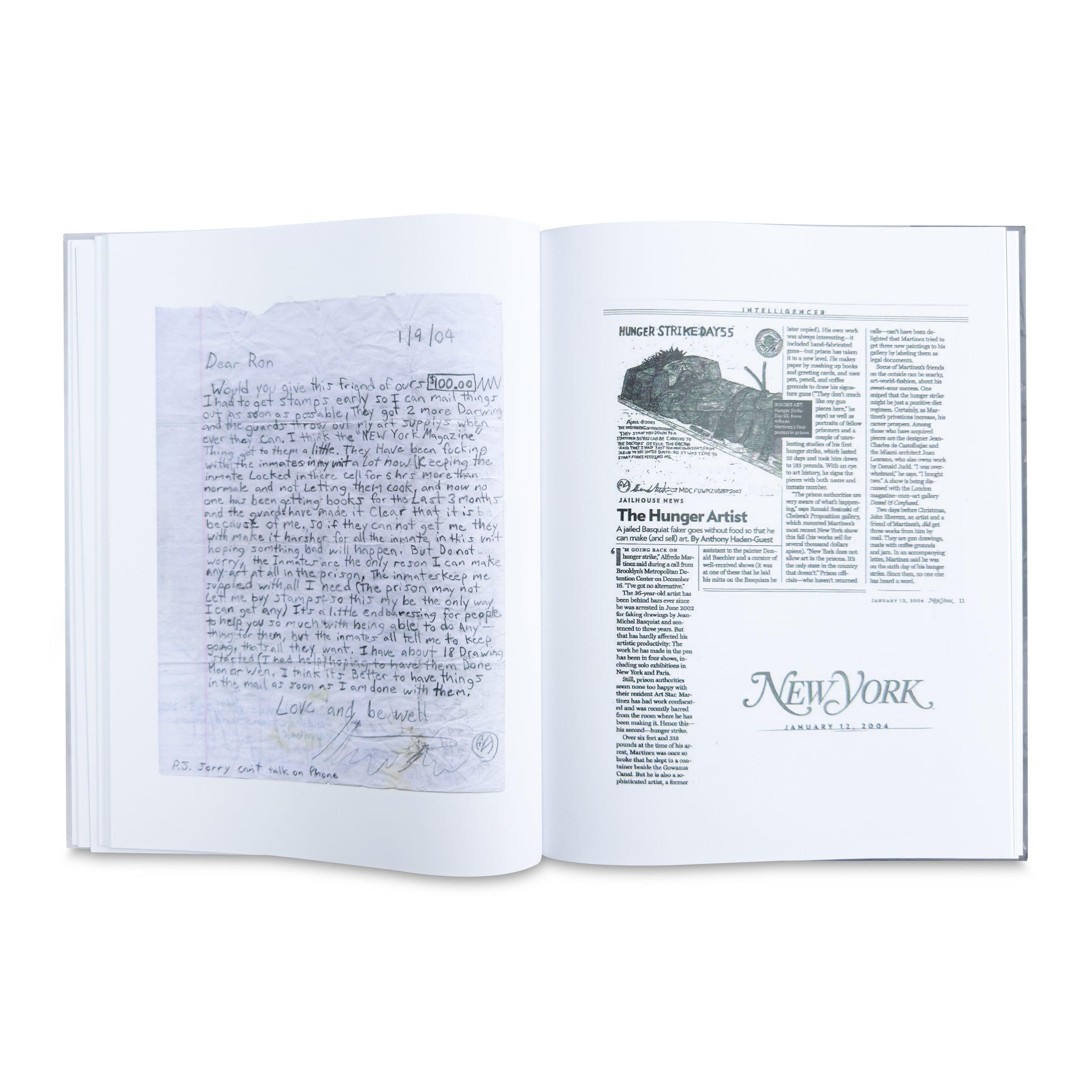
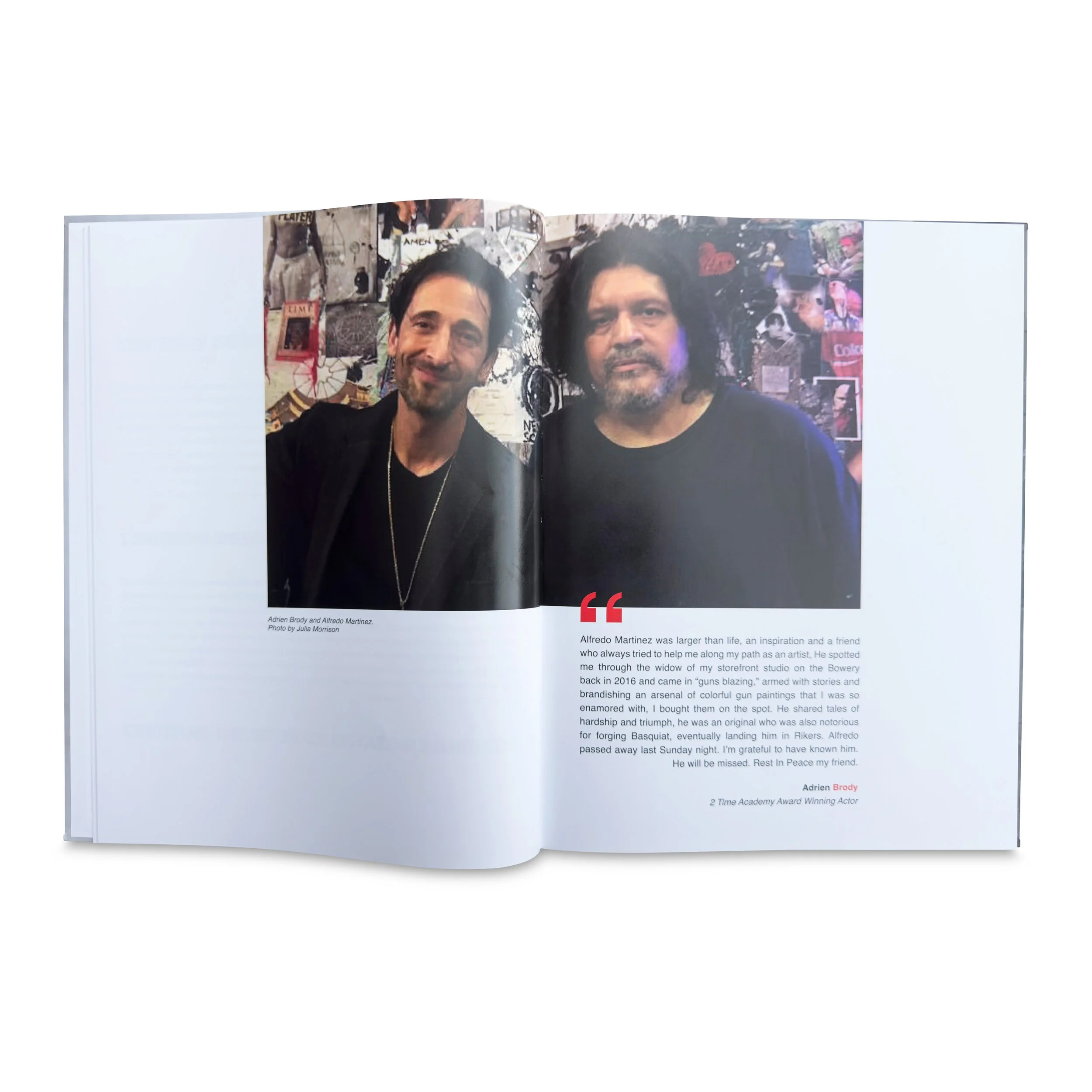
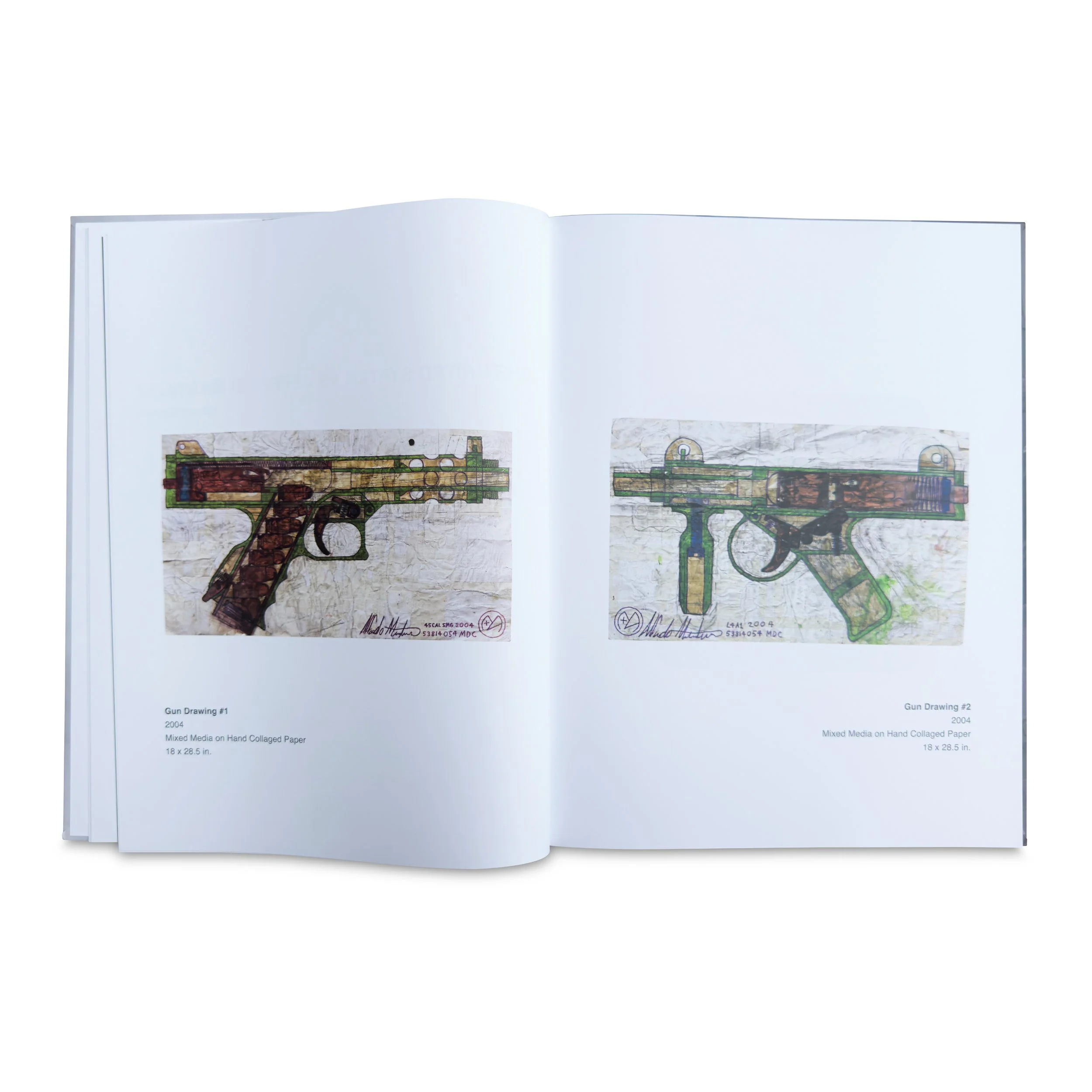
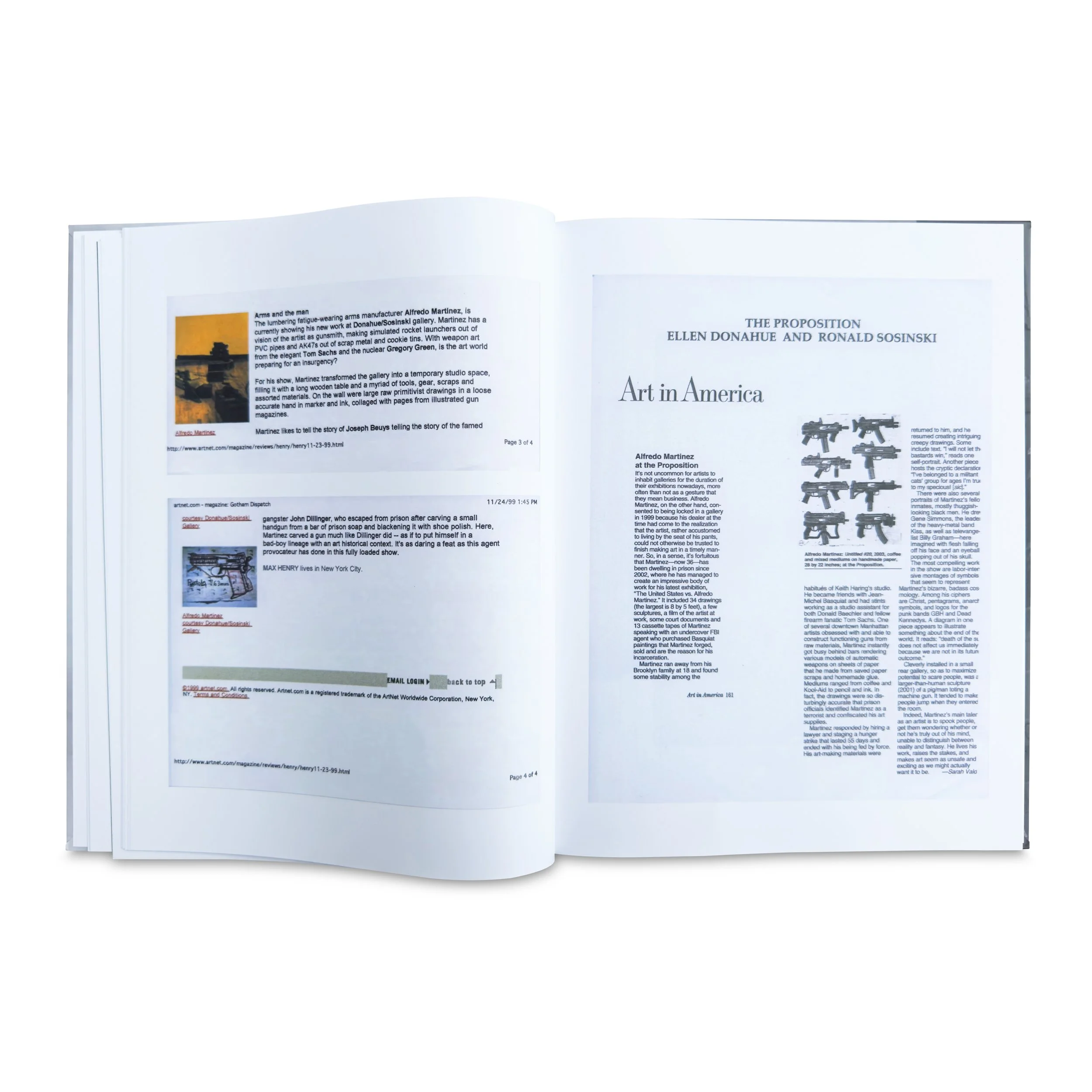
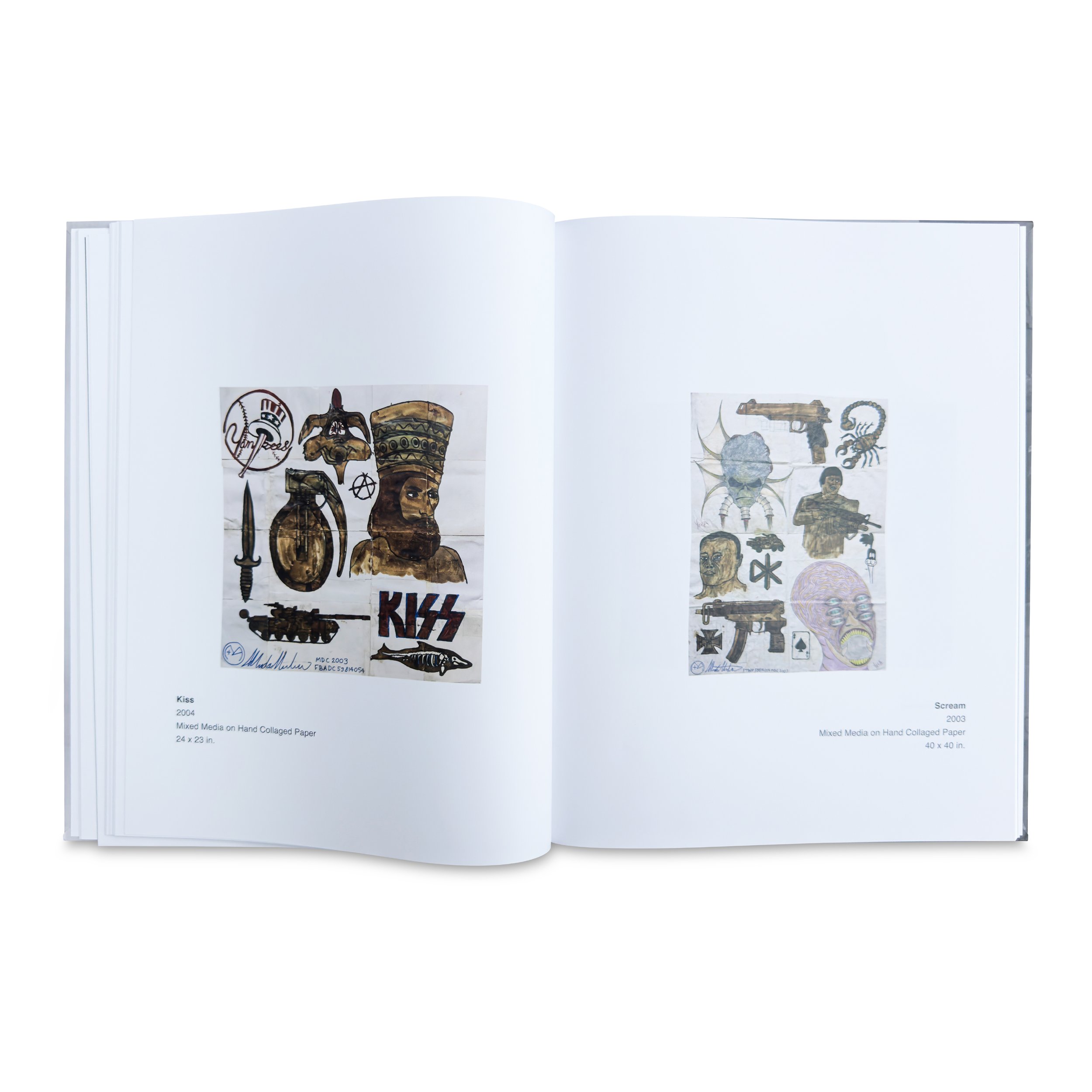
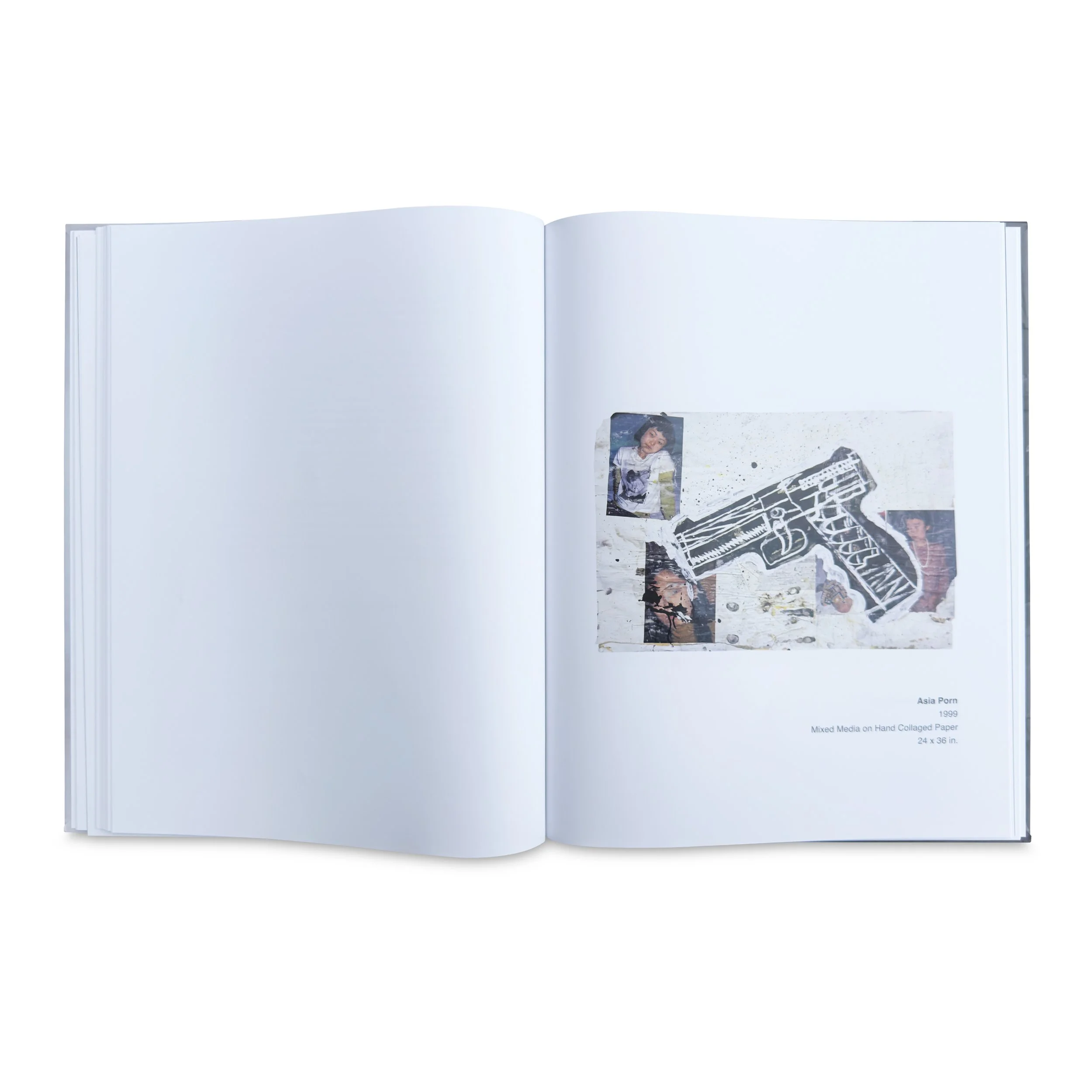
The United States vs Alfredo Martinez is a critical reassessment of one of the most provocative and controversial figures in contemporary American art. Published by Artvoices Books,The United States vs. Alfredo Martinez, a scholarly examination of the life, work, and enduring cultural legacy of New York City artist Alfredo Martinez (1967–2023). Combining essays, archival material, historical documentation, and previously unpublished images, the volume reconsiders Martinez not merely as the artist whose conviction for forging works attributed to Jean-Michel Basquiat and Keith Haring captured international attention, but as a significant cultural figure whose practice challenged accepted definitions of originality, authorship, authenticity, and value within the contemporary art system.
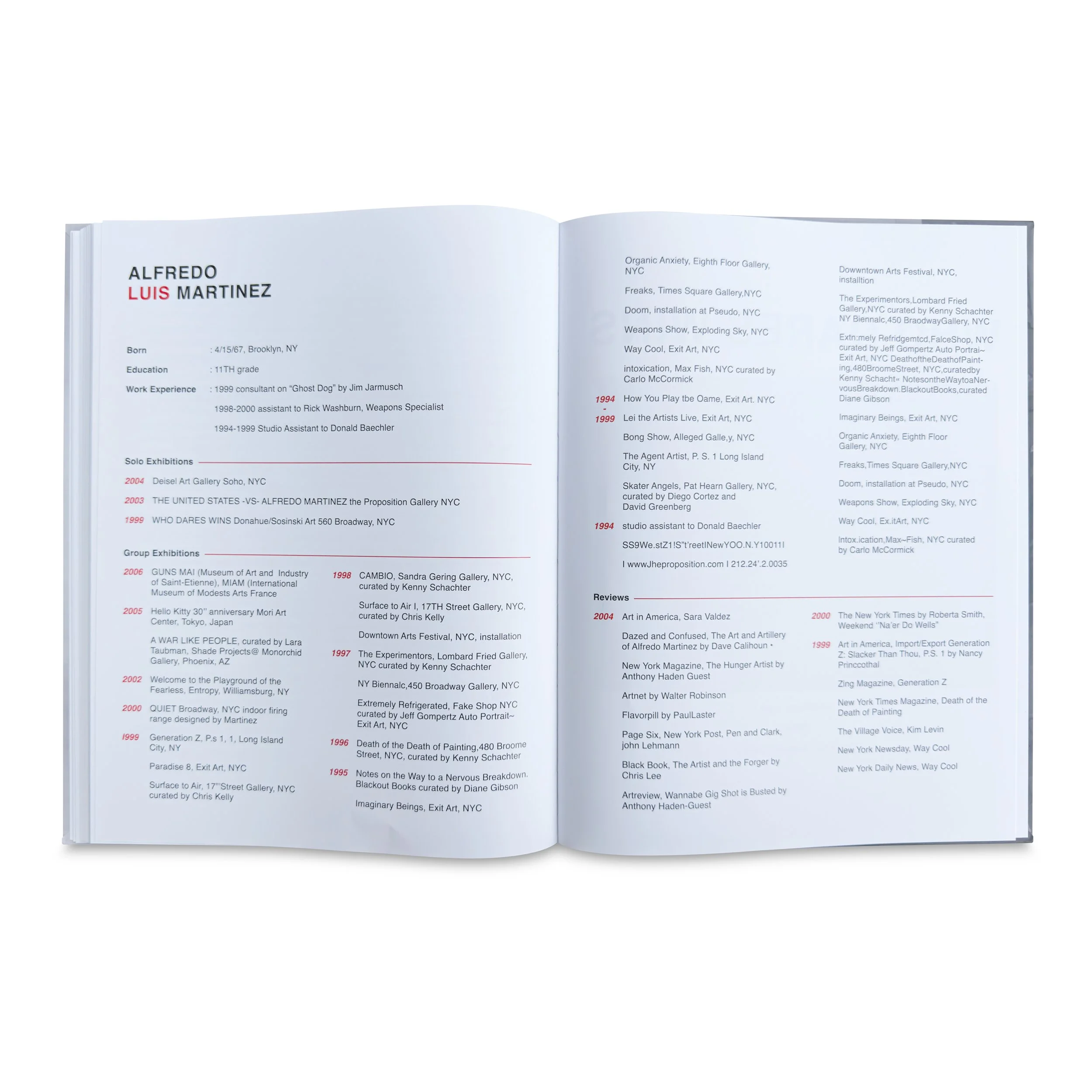
The book covers two shows: "Who Dares Wins' curated by Kenny Schachter and The United States VS Alfredo Martinez 2003 curated by James Fuentes. It is also important to note that Martinez was the studio manager and art maker for the Donald Baechler studio from 1994-1999 changing the course of many known artists including Tom Sachs. Finally, the book covers a time in China when Martinez worked with many influential characters including Ai Weiwei.
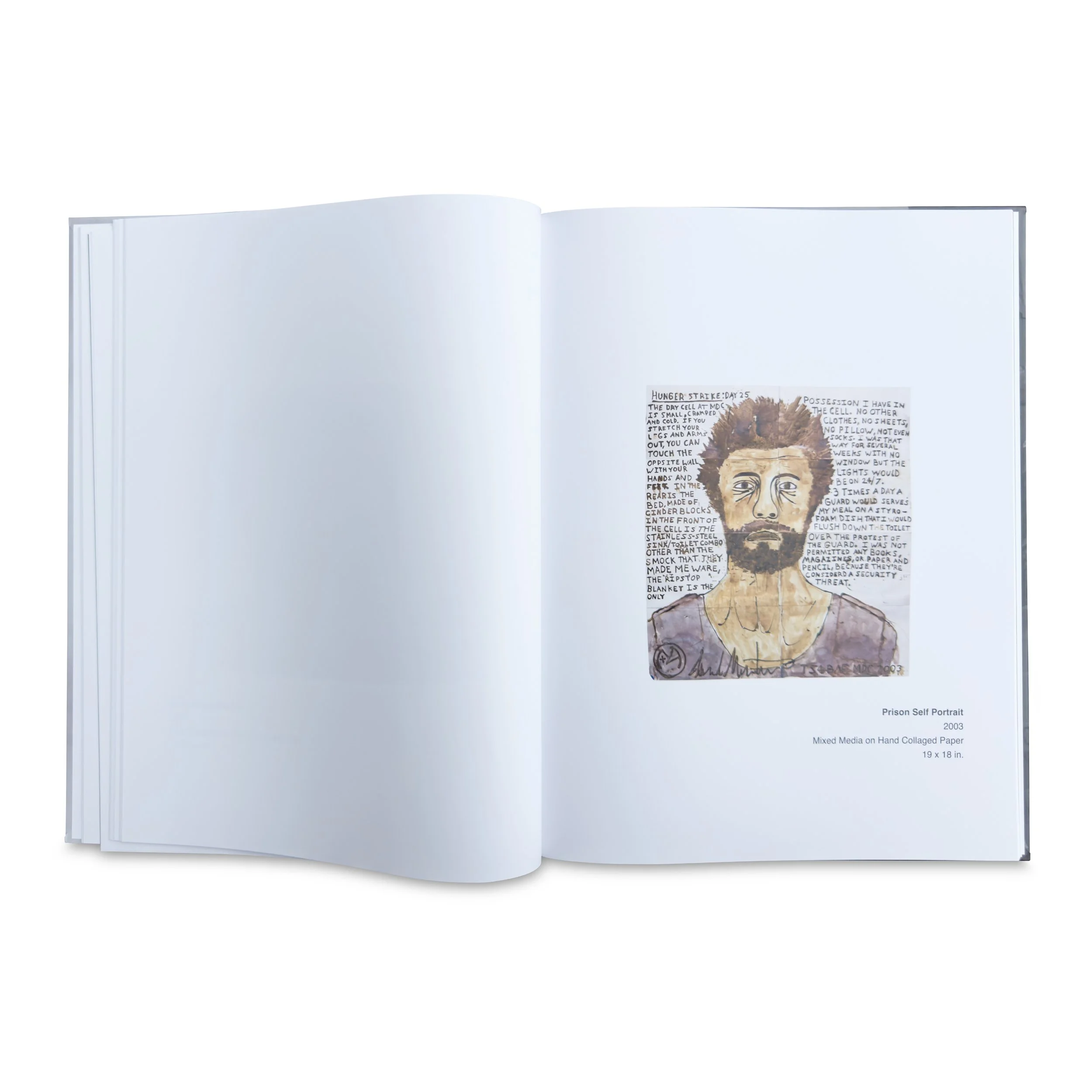
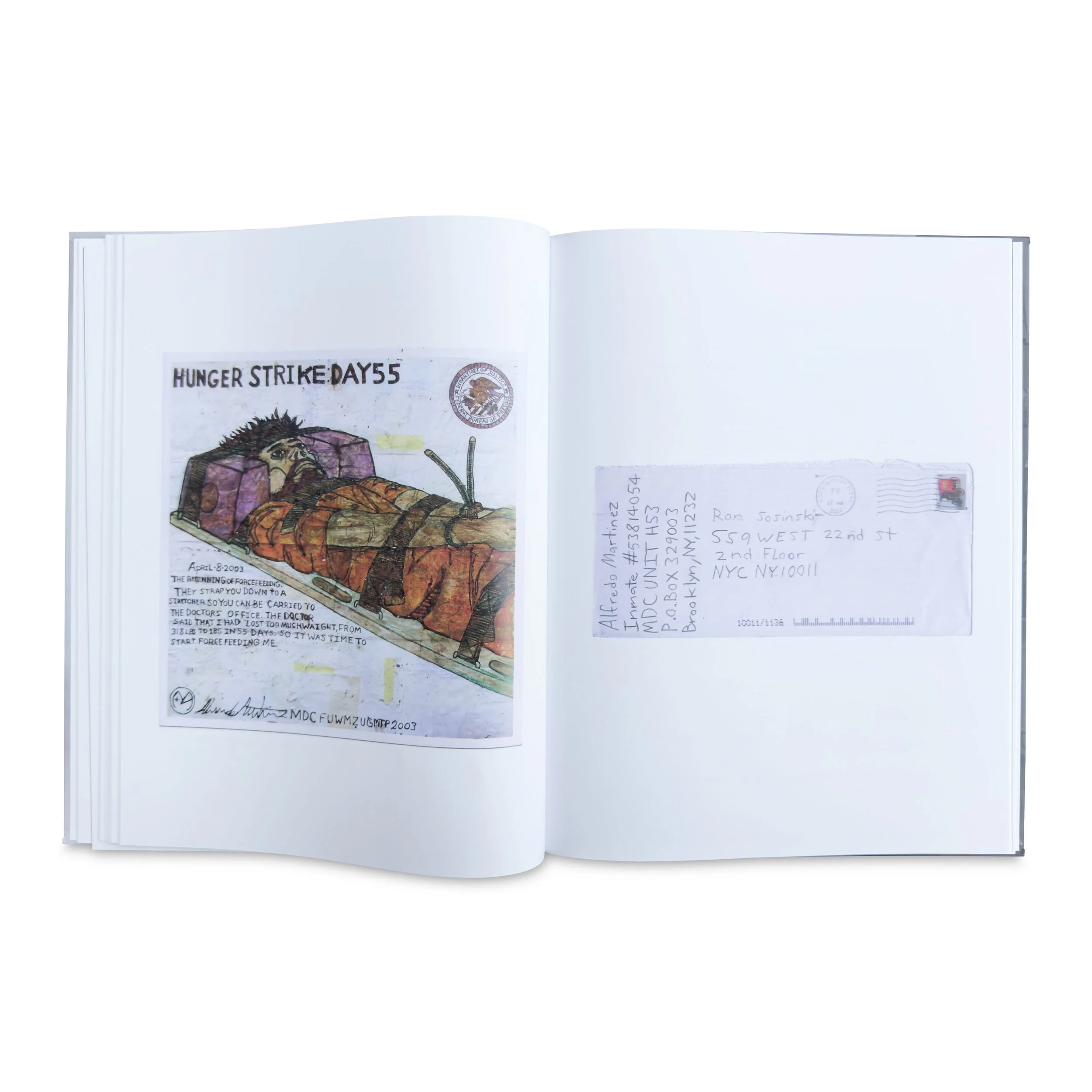
Alfredo Martinez (1967–2023) was a New York City artist whose work occupied the intersection of conceptual art, appropriation, institutional critique, and cultural provocation. Emerging from New York's downtown art scene during the 1990s, Martinez became internationally known following his 2002 federal prosecution for producing forged works attributed to Jean-Michel Basquiat and Keith Haring. Rather than defining his career, however, that episode became the foundation for a broader artistic inquiry into authorship, authenticity, originality, and the economic structures that shape the contemporary art market. During his incarceration, Martinez continued to produce drawings using unconventional materials, including coffee and fruit juice, transforming conditions of confinement into an extension of his artistic practice. Following his release, he developed an independent body of paintings, drawings, and sculptural works while remaining an influential figure within New York's underground cultural community. His work frequently explored violence, power, spectacle, and the mythology of the American artist, blurring the boundaries between artistic production and social performance. Martinez's career continues to provoke important conversations surrounding artistic authorship, institutional authority, and the politics of cultural value. His work is represented in the collection of the Museum of Modern Art (MoMA) and other public and private collections, securing his place as one of the most unconventional and debated artists to emerge from New York's contemporary art scene.